
Lexington, SC · Garage Door Service
Why Garage Doors in Lexington Fail the Way They Do
Most Lexington, SC garage doors went up between 1965 and 2010, median year 1984 - before insulation rules caught up with the stock. Here's what that means for repair.
- Repairs & new doors
- Springs & openers
- Serving 7 nearby communities
The Problem
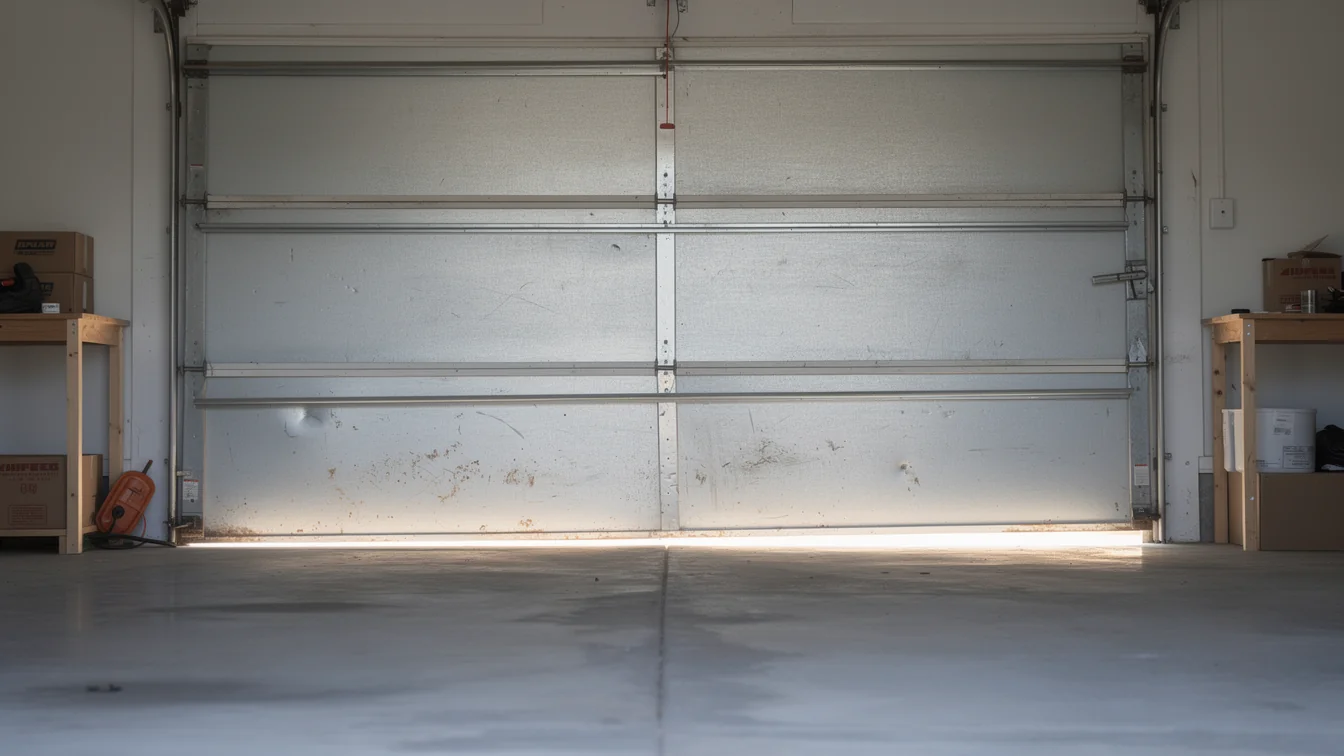
Walk through the older sections of Lexington and the garage doors tell you the age of the house before you even check the panel seams. Housing in this service area was built mostly between 1965 and 2010, with the median year landing around 1984. That puts a huge share of doors on houses built before insulation rules caught up with the rest of residential code. A single-skin steel or wood door from that era has no foam core, no thermal break, and no weatherstrip spec to speak of - it was built to keep out rain and raccoons, not to hold a conditioned temperature. Across the 19 named areas that make up this stock, the dominant build window is the 1980s and 90s, which means the same handful of door and track designs repeat house after house, street after street. That's good news when parts are still common, and bad news when a homeowner tries to retrofit a modern insulated door onto 35-year-old framing that was never squared for it. The problem isn't that these doors are old. It's that a lot of them were never built to the standard people assume a garage door meets today, and nobody told the owner that when they bought the house.
Where People Go Wrong
The most common mistake here is treating the opener as the whole system. Someone's door gets loud or sticky, they swap the opener motor, and six months later the real problem - a spring sized for a lighter, non-insulated panel door from the 1980s build era - snaps anyway. Springs, cables, and rollers were matched to the door that originally shipped with the house, and on stock from this period that's usually a single-layer door, lighter than today's insulated double-wall panels. When a homeowner later upgrades to a heavier insulated replacement without resizing the spring, the opener strains and the torsion spring wears faster than it should. The second mistake is ignoring track alignment on houses from the 1965-2010 window, where slab settling over a few decades has pushed vertical tracks slightly out of plumb. A door that binds partway up isn't an opener problem - it's a framing-and-track problem that an opener swap won't fix. We see both mistakes often enough that they're worth naming here, rather than letting someone spend money twice.
What Local Conditions Do
This area sits in a mild climate band with occasional freeze, not the deep-freeze cycling you'd get further north. That matters for garage doors in a specific way: it's not extreme cold that wears these doors out, it's the freeze-thaw swing on mornings that dip below freezing after a humid evening. On a non-insulated door - common across this 1965-2010 stock - condensation forms on the inside skin overnight, and if it drops near freezing before sunrise, that moisture can stiffen weatherstrip and gum up roller bearings that were never sealed for it. It's a mild irritant here, not a structural threat, but it shows up as doors that stick or groan on the first cold snap of the season and loosen up fine by afternoon. Houses with doors facing north or shaded by the house itself hold that overnight condensation longer than south-facing doors, which is why two houses built the same year on the same street can have noticeably different door behavior in winter.
The Cost of This Job
With 30,144 owner-occupied houses across this service area and a median household income of $64,003, most of the calls we'd expect here are repair-first, replace-second - people weighing a spring or track fix against the cost of a full door swap on a budget that doesn't have much slack in it. That's the honest limitation: if a door is original to a house built in the 1965-2010 window and the track, hardware, and springs are all original too, sometimes a repair just delays a bigger job by a year or two rather than solving it. We'll tell you when that's the case instead of billing you twice. For a lot of houses in this stock, a spring and hardware service costs less than the labor alone on a full replacement, which is why it's worth a look before assuming the whole door needs to go.
Frequently asked questions
Is my garage door too old to repair instead of replace?
If your house falls in the 1965-2010 build range common to this area, most doors from that era can still be repaired - springs, rollers, and cables are standard sizes. The exception is if the door panel itself is warped or rusted through, which no spring adjustment fixes.
Why does my door stick only on cold mornings?
This area sees mild weather with occasional freezes, and condensation on an uninsulated door skin can stiffen weatherstrip and rollers overnight. It usually loosens up once the temperature climbs. If it's happening every cold morning, the rollers may need service rather than replacement.
Do I need to resize my spring if I upgrade to an insulated door?
Yes. Houses here often shipped with lighter, non-insulated doors. A heavier insulated panel needs a spring matched to its weight, not the original spring sized for the lighter factory door.
Related garage door services in Lexington
More garage door guides
Book garage door service in Lexington
Call now or request a quote - tell us what the door is doing and where you are.